







We thoroughly assess all products before recommending them. We may be compensated if you choose to buy through links on our site.
Question: Why Are My Eyes So Sensitive to Mascara?
Answer: Your eyes may be sensitive to mascara as sensitivity is often an allergic reaction to ingredients like fragrances, preservatives, or pigments. Expired mascara can also harbor bacteria, causing irritation. Consider trying a hypoallergenic formula.
Mascara Sensitivity and Finding Relief
You carefully apply your favorite mascara, hoping for long, voluminous lashes. Instead, you get red, watery, and itchy eyes. This frustrating experience makes many people wonder why are my eyes so sensitive to mascara. You are not alone in this struggle. The delicate skin around your eyes is some of the thinnest on your body, making it highly susceptible to irritation. Many mascara formulas contain a long list of ingredients that can trigger reactions, from subtle discomfort to a full-blown allergic response. It is a common problem that can turn a simple makeup routine into a painful ordeal.
Understanding the root cause is the first step to finding a solution. The issue could stem from a specific ingredient, your application method, or even the age of your product. This problem does not mean you must give up on mascara forever. You can achieve beautiful, enhanced lashes without the discomfort. We will look at the common triggers for eye sensitivity, explain how to identify the problem, and guide you to products and habits that will protect your eyes. You can enjoy the lash-enhancing benefits of mascara with confidence and comfort once you have the right information.
5 Best Mascaras for Sensitive Eyes
Mascara
Sensitive eyes can make finding the perfect mascara a challenge. With so many options on the market.…
Identifying Irritating Ingredients in Mascara
The ingredient list on a mascara tube can look like a chemistry exam. Many common components can cause irritation for sensitive eyes. Fragrance is a primary offender. Companies often add synthetic fragrances to mask the chemical smell of other ingredients, but these perfumes can trigger allergic reactions. Even products labeled “unscented” may contain masking fragrances. Always look for formulas that are explicitly “fragrance-free.” This simple check can significantly reduce your risk of irritation. Your eyes will thank you for choosing a product without these unnecessary additives.
Preservatives also play a large role in eye sensitivity. Manufacturers use chemicals like parabens and formaldehyde-releasing agents to prevent bacteria from growing in the mascara tube. While these ingredients serve an important safety function, they are also known irritants. Nickel, a metal found in some black iron oxide pigments, is another common allergen. If you have a known nickel allergy from jewelry, it could be the source of your mascara woes. Another potential problem is shellac, a resin that gives some mascaras their film-forming properties. Identifying which ingredient affects you can involve some trial and error, but knowing the common culprits helps you narrow down the search.
Related Article: How Do You Wear Mascara With Sensitive Eyes?
Related Article: Can You Get Mascara for Sensitive Eyes?
The Impact of Your Makeup Habits
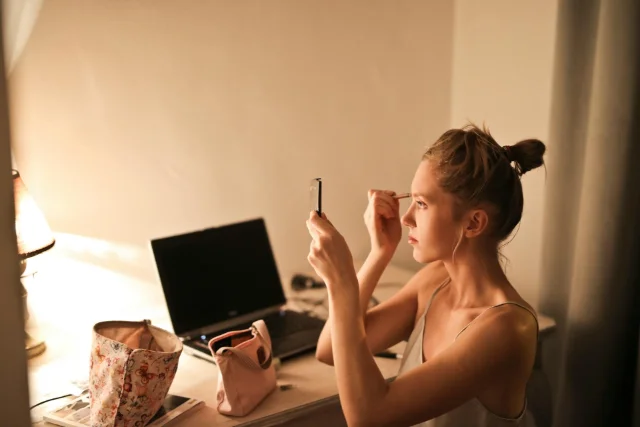
Your daily routine can contribute to eye sensitivity just as much as the product’s formula. How you apply and remove your mascara matters immensely. For instance, applying mascara too close to the lash line can block the delicate meibomian glands along your eyelid. These glands produce oils that protect the eye’s surface. When they become clogged, it can lead to dryness, irritation, and a condition known as blepharitis. You should always apply mascara from the middle of the lashes to the tips, avoiding the very base to protect these essential glands.
Proper removal is equally critical. Leaving mascara on overnight is a major cause of irritation. The product can flake into your eyes while you sleep, causing redness and inflammation. You should use a gentle, oil-free makeup remover specifically made for the eye area. Avoid harsh rubbing or scrubbing, which can damage your lashes and irritate the surrounding skin. Instead, press a saturated cotton pad against your closed eye for about 30 seconds. This technique dissolves the mascara, allowing you to wipe it away gently without excessive friction. A clean canvas each night gives your eyes the rest they need.
Distinguishing Between Irritation and an Allergy
Understanding the difference between an irritation and a true allergy is key to finding the right solution. Irritation is a direct reaction to a harsh ingredient. It typically appears quickly after you apply the product and subsides soon after you remove it. Symptoms include mild redness, stinging, or watering. Almost any ingredient can cause irritation if it is potent enough. This type of reaction is common and often resolves when you switch to a gentler product. Think of it as your skin telling you it does not like a specific substance.
An allergic reaction, or allergic contact dermatitis, is an immune system response. Your body mistakenly identifies a harmless ingredient as a threat. The reaction might not appear for 12 to 72 hours after exposure. Symptoms are often more severe and can include intense itching, swelling, redness, and even a scaly or bumpy rash on your eyelids. Unlike irritation, an allergy will occur every time you use a product containing the trigger ingredient, no matter how small the amount. If you suspect an allergy, a patch test performed by a dermatologist can help you identify the specific allergen. This knowledge empowers you to avoid it in all future cosmetic purchases.
Related Article: What Mascara to Avoid for Sensitive Eyes?
Related Article: Is Tubing Mascara Better for Sensitive Eyes?
Choosing a Mascara for Sensitive Eyes
Finding a mascara that does not irritate your eyes requires a careful approach to shopping. You can find many formulas created for sensitive users. The term “hypoallergenic” is a great starting point, but it is not a regulated term. This means its definition can vary between brands. You must look beyond this label and check for other important indicators on the packaging. A truly eye-safe mascara will have several key features that make it a better choice for people prone to reactions.
Look for products that are “ophthalmologist-tested.” This label indicates that an eye doctor has overseen tests to ensure the product is safe for the eye area. You should also seek out formulas that are fragrance-free and paraben-free, as these are two of the most common irritants. Mascaras made with natural waxes, like carnauba wax or beeswax, are often gentler than those with synthetic polymers. Mineral-based pigments can also be a better alternative to synthetic dyes. Here are some things to look for:
-
Ophthalmologist-Tested
This certification ensures a professional has reviewed the formula for eye safety. -
Fragrance-Free Formulas
Avoids one of the most common triggers for cosmetic allergies and irritation. -
Paraben-Free and Phthalate-Free
These preservatives and plasticizers can cause sensitivity in some individuals. -
Natural Waxes and Mineral Pigments
These ingredients are often better tolerated than their synthetic counterparts.
Related Article: What Is the Healthiest Mascara for Eyelashes?
Related Article: Can Expired Mascara Irritate Sensitive Eyes?
Best Practices for Healthy Lashes
Beyond choosing the right product, adopting good makeup hygiene is essential for preventing eye irritation. These simple habits create a safe environment for your eyes and can make a significant difference in your comfort. One of the most important rules is to replace your mascara regularly. The moist, dark environment of a mascara tube is a perfect breeding ground for bacteria. Experts recommend replacing your mascara every three months to prevent bacterial growth that can lead to infections and irritation. You should write the date you open a new tube on a piece of tape and stick it to the bottom as a reminder.
Never share your eye makeup with anyone. Sharing products like mascara, eyeliner, or eyeshadow can easily transfer bacteria from one person to another, leading to infections like pink eye. Always use your own products. You should also patch-test a new mascara before applying it to your lashes. Apply a small amount to the skin behind your ear or on your inner arm and wait 24 to 48 hours. If you experience any redness, itching, or swelling, you know the formula is not right for you. This simple step can save you from the discomfort of a full-blown reaction on your eyelids.
Your Path to Irritation-Free Lashes
You can find a mascara that gives you the dramatic lashes you want without the painful side effects. The journey begins with understanding why your eyes are sensitive. By identifying problematic ingredients like fragrances and certain preservatives, you can start to filter your product choices effectively. Your habits matter just as much as the formula. Gentle application, thorough removal, and strict makeup hygiene are foundational practices that protect your delicate eye area from unnecessary stress. These steps empower you to take control of your makeup experience and prioritize the health of your eyes.
Remember to listen to your body. Differentiating between simple irritation and a true allergy helps you determine the right course of action. Do not hesitate to consult a dermatologist or an ophthalmologist if your symptoms are persistent or severe. They can provide a definitive diagnosis and help you pinpoint specific allergens. With this knowledge, you can confidently select products that are safe for you. You deserve to feel beautiful and comfortable. Finding the perfect mascara for your sensitive eyes is entirely possible when you combine smart shopping with healthy habits.