
We thoroughly assess all products before recommending them. We may be compensated if you choose to buy through links on our site.
Question: Should You Sleep With Mascara On?
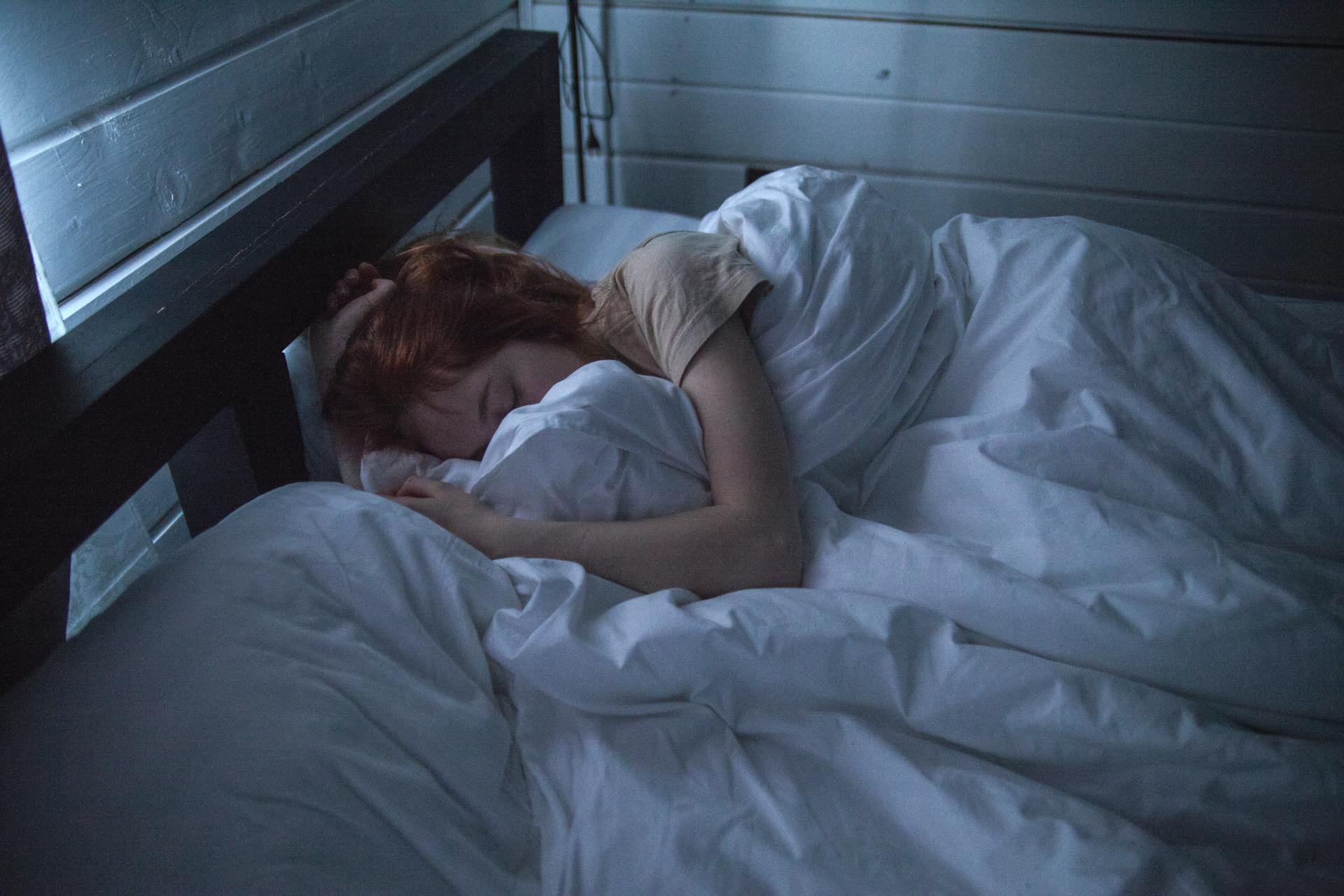
Answer: No, you should not sleep with mascara on. Sleeping with mascara on risks eye infections, irritation, and corneal scratches from flaking particles. It also makes eyelashes brittle and prone to breakage. For healthy eyes and lashes, you should always remove your makeup before bed.
The Truth About Sleeping in Your Mascara
We have all experienced that moment. It was an epic night, but you’re officially running on empty and ready to crash. The thought of a multi-step skincare routine feels like climbing a mountain. You ask yourself the tempting question: what is the harm in one night? This debate about whether you should sleep with mascara on is a common one for many beauty lovers. You might think a little leftover lash color is harmless. After all, it is just on your lashes, not your whole face. Many people believe that skipping this one small step will have no real consequences.
This simple act, however, can lead to a cascade of unfortunate beauty and health problems. From brittle, broken lashes to serious eye infections, the fallout from this habit is more significant than you might imagine. The temporary convenience is not worth the potential long-term damage to your lashes, eyes, and the delicate skin around them. We will explore exactly what happens when you leave your mascara on overnight and how to recover if you do slip up. Your lashes deserve better, and so do you.
Best Mascaras 2025
Mascara
Have you ever felt paralyzed by choice when facing the seemingly endless aisle of mascaras.…
The Nightly Damage to Your Lashes
Your eyelashes are delicate hairs that need care. When you apply mascara, it coats each lash to make it appear thicker, longer, and darker. Most formulas dry down to a stiff, hardened state to hold a curl and prevent smudging. While this is great for daytime wear, it creates a problem at night. Your lashes become brittle and lose their natural flexibility. As you sleep, you toss and turn, pressing your face into your pillow. This friction against stiff, mascara-coated lashes can easily cause them to snap and break.
Repeated breakage leads to shorter, sparser lashes over time. You might notice that your lash line looks less full or that your lashes are not growing as long as they used to. The very product you use to enhance them can become the source of their demise if not removed properly. The weight of the mascara can also put stress on the hair follicles. This constant tension can weaken the follicles, leading to premature lash shedding. Consistently sleeping in mascara undermines your lash health, making it harder to achieve that full, feathery look you want without makeup.
Related Article: How Do I Choose Mascara?
Related Article: What Happens If You Don’t Wipe Mascara Off Before Bed?
Eye Health Concerns
The consequences of sleeping in mascara extend far beyond simple lash breakage. Your eye health is at serious risk. Throughout the night, the dried mascara formula can flake off. These tiny, hard particles can fall into your eye, causing significant irritation and redness. Your eye’s natural reaction is to produce tears to flush out the foreign material, but these particles can sometimes get trapped under the eyelid. This can lead to a gritty, uncomfortable sensation and even cause microscopic scratches on the surface of your cornea, known as corneal abrasions. These abrasions are painful and can increase your risk of a serious eye infection.
Furthermore, the glands along your eyelid margin can become blocked. These meibomian glands produce oils that are essential for a healthy tear film. Mascara debris, combined with dead skin cells, can create plugs that stop these glands from functioning properly. This can result in painful styes or chronic dry eye disease. The risk of bacterial infection also increases dramatically. Bacteria thrive in the dark, moist environment of a mascara tube, and you reintroduce that bacteria to your eyes with every application. Leaving it on overnight gives those germs more time to multiply and cause conditions like conjunctivitis, commonly known as pink eye.
-
Corneal Abrasions
Hardened mascara particles can flake into the eye and scratch the cornea, the clear front surface of the eye. This is painful and can make your eye vulnerable to infection.
-
Conjunctivitis (Pink Eye)
Bacteria from your mascara wand can multiply overnight on your warm lash line. This can cause a highly contagious infection characterized by redness, itching, and discharge.
-
Blocked Oil Glands and Styes
Mascara can clog the tiny oil glands at the base of your eyelashes. Blocked glands can become inflamed and infected, leading to the formation of a painful, pimple-like bump called a stye.
How Sleeping in Mascara Affects Your Skin
The impact of sleeping in mascara is not confined to your eyes and lashes. The delicate skin surrounding your eyes is also a victim. As you sleep, mascara can smudge and transfer from your lashes onto your pillowcase. Your face then presses against that same pillowcase, rubbing the mixture of oils, pigments, and waxes from the mascara directly into your pores. The skin around your eyes is some of the thinnest on your entire body, making it particularly susceptible to clogged pores and irritation. This can lead to the development of milia, which are small white bumps that form when keratin becomes trapped beneath the skin’s surface.
This transfer of makeup also contributes to acne and breakouts on your cheeks and temples. The pore-clogging ingredients found in many mascara formulas can easily trigger blemishes when left on the skin for hours. Beyond clogged pores, sleeping in any kind of makeup can accelerate the aging process. Makeup traps environmental pollutants and free radicals against your skin overnight. These damaging molecules break down collagen, the protein that keeps your skin firm and elastic. This process, known as oxidative stress, can lead to the premature formation of fine lines and wrinkles around your eyes.
Oops, I Did It Again: A Recovery Plan
Let’s be realistic: it happens. You might fall asleep on the couch or have a night where you are simply too exhausted. If you wake up with yesterday’s mascara still on, do not panic. The key is to handle the situation gently to minimize any further damage. Do not rush to scrub your eyes raw. The mascara has had hours to dry and harden, so aggressive rubbing will only break your lashes and irritate your skin. Instead, a patient and gentle approach will effectively remove the residue while soothing your eyes and lashes. Think of it as a gentle morning-after ritual for your eyes.
Follow a simple damage-control routine to get your eyes back to a healthy state. The goal is to dissolve the product, cleanse the area, and give your eyes a rest. Taking these few extra minutes can prevent lingering irritation and protect your lashes from additional stress. It is a much better alternative than ignoring the problem or applying a fresh coat of mascara over the old, crusty layer. Give your eyes the care they need to recover fully before you ask them to handle more makeup.
-
Gently Dissolve the Mascara
Soak a cotton pad with an oil-based or bi-phase eye makeup remover. Press it gently against your closed eye for at least 30 seconds. This gives the remover time to break down the mascara without any rubbing.
-
Wipe Away Carefully
After holding the pad in place, gently wipe downwards in the direction of your lash growth. Avoid any side-to-side or scrubbing motions. Repeat with a fresh pad until all the mascara is gone.
-
Cleanse and Soothe
Wash your entire face with a mild cleanser to remove any remaining makeup residue. If your eyes feel dry or irritated, use some preservative-free lubricating eye drops to restore moisture and calm redness.
-
Give Lashes a Break
Avoid applying any eye makeup, especially mascara, for the next 24 to 48 hours. This rest period allows your lashes and the delicate skin around your eyes to recover from the stress.
Preventing the Problem: Better Habits and Products
The best way to deal with the damage from sleeping in mascara is to prevent it from happening in the first place. This starts with establishing a solid nighttime routine. Make makeup removal the very first thing you do when you begin your evening wind-down. Do not wait until you are already feeling sleepy. By tackling it early, you are less likely to skip it. Place your makeup remover and cotton pads in a visible, convenient spot, like right next to your toothbrush, as a constant visual reminder. You can also try “tubing” mascaras, which form tiny water-resistant tubes around each lash. These formulas slide off easily with just warm water and gentle pressure, eliminating the need for heavy-duty removers.
Investing in the right makeup remover is also critical. A bi-phase remover contains both oil and water components, making it powerful enough to dissolve even stubborn waterproof mascara without harsh rubbing. Micellar water is another excellent gentle option for non-waterproof formulas. Saturate your cotton pad completely to ensure it glides smoothly over the eye area. An effective removal process should feel effortless. If you find yourself scrubbing or pulling at your lashes, your remover is not doing its job properly. Creating a simple, effective, and non-negotiable removal routine is the ultimate form of lash and eye care.
Conclusion
The final answer is clear: you should not make a habit of sleeping with mascara on. While a single accidental night is unlikely to cause permanent harm, repeated neglect poses real risks. You expose yourself to preventable problems like brittle lashes, painful eye infections, corneal abrasions, clogged pores, and even premature wrinkles. The temporary convenience of skipping one simple step is not a fair trade for the long-term health of your eyes, skin, and lashes. Your beauty products should enhance your features, not harm them. Taking them off is just as important as putting them on.
Think of removing your makeup as a fundamental act of self-care. It is a moment at the end of the day to cleanse away the dirt and grime and allow your skin to breathe and regenerate overnight. It respects the health of your body and preserves the natural beauty of your features. By committing to a consistent cleansing routine, you are investing in your future self. You ensure that your lashes remain long and healthy, your eyes stay bright and clear, and your skin stays smooth and radiant for years to come. That small effort is always worth it.