
We thoroughly assess all products before recommending them. We may be compensated if you choose to buy through links on our site.
Question: Can I Sharpen a Plastic Lip Liner?
Answer: Yes, you can sharpen a plastic lip liner. The plastic-like casing is a special, soft material designed to be sharpened. Use a good-quality cosmetic sharpener for a clean point. Chilling the liner for a few minutes beforehand helps prevent breakage and crumbling.
The Truth About Sharpening Your Plastic Lip Pencils
You stand in front of your mirror, ready to perfect your pout. You reach for your favorite lip liner, the one with that creamy, long-lasting formula encased in a sleek plastic barrel. But the tip is worn down to a blunt nub. A moment of panic sets in as you look from the plastic pencil to your makeup sharpener. Can I sharpen a plastic lip liner? The plastic casing seems impenetrable, unlike its traditional wood counterpart. You might feel tempted to just toss it and buy a new one, thinking it is a single-use product.
Let me put your mind at ease. The answer is a resounding yes. You absolutely can bring that liner back to a perfect point. That plastic-like material is a special, soft polymer designed specifically for sharpening. It just requires the right tool and a gentle technique. Forgetting this simple fact costs makeup lovers a lot of money and creates unnecessary waste. This guide will show you exactly how to sharpen these liners, saving your favorite products from a premature end. You will learn the correct method, the essential tools, and the common mistakes to avoid. Prepare to rescue every last bit of your beloved lip color.

Best Lip Liner
Lip Liner
From gentle toning to intense color correction, these lip liners offer targeted solutions for blonde and highlighted hair...
What Makes These Liners Different?
At first glance, a plastic-cased lip liner looks like it should never meet a sharpener. The smooth, seamless barrel suggests it is a twist-up or retractable pencil. However, many of your favorite creamy, high-pigment liners from brands like Urban Decay, NYX, and NARS use this unique design. The casing is not hard, brittle plastic. It is a specialized PVC or polymer material that is soft enough to be shaved away by a sharp blade. This design provides an advantage over traditional wood pencils.
The airtight polymer casing helps preserve the product’s formula. It prevents the creamy core from drying out, which maintains its smooth application and vibrant color payoff for much longer. Wood pencils are more porous, so they can allow air to slowly degrade the product over time. The plastic material also shaves off more cleanly than wood, which can sometimes splinter and leave a rough texture. The key is understanding that while it looks like plastic, its purpose and composition are entirely different. It is engineered for makeup and made to be sharpened.
Related Article: How to Use Lip Liner Correctly?
Related Article: Does Lip Liner Really Make a Difference?
Choosing the Perfect Sharpener
The success of sharpening your plastic lip liner depends almost entirely on your sharpener. This is not the time to grab the one from your desk drawer. A standard pencil sharpener is designed for wood and graphite. Its blade angle and sharpness are not suitable for the soft polymer of a cosmetic pencil. Using one will likely chew up the casing, break the product, and create a frustrating mess. You must use a sharpener designed specifically for makeup.
Look for a high-quality cosmetic sharpener. A great one will have a very sharp blade, often made from carbon steel or stainless steel. Many beauty experts prefer sharpeners with German-made blades because they are known for their precision and durability. A dull blade is the enemy of a plastic pencil. It will not shave the casing cleanly and will instead tear and snag it. A sharp blade glides through the soft polymer, creating fine, even shavings and a perfectly pointed tip. Many cosmetic sharpeners also come with a small plastic stick to help you clean out product buildup from the blade, which is essential for maintaining its performance.
How to Sharpen Your Plastic Lip Liner
Once you have the right tool, the technique is simple. Following these steps will give you a perfect point every time without breaking your precious liner. The most important trick is to chill the liner before you begin. A warm, soft product is more likely to break or get smushed in the sharpener. The polymer casing also becomes firmer when cold, which helps it shave more cleanly. Place your lip liner in the freezer for about 10 to 15 minutes. This is just enough time to firm it up without making it brittle.
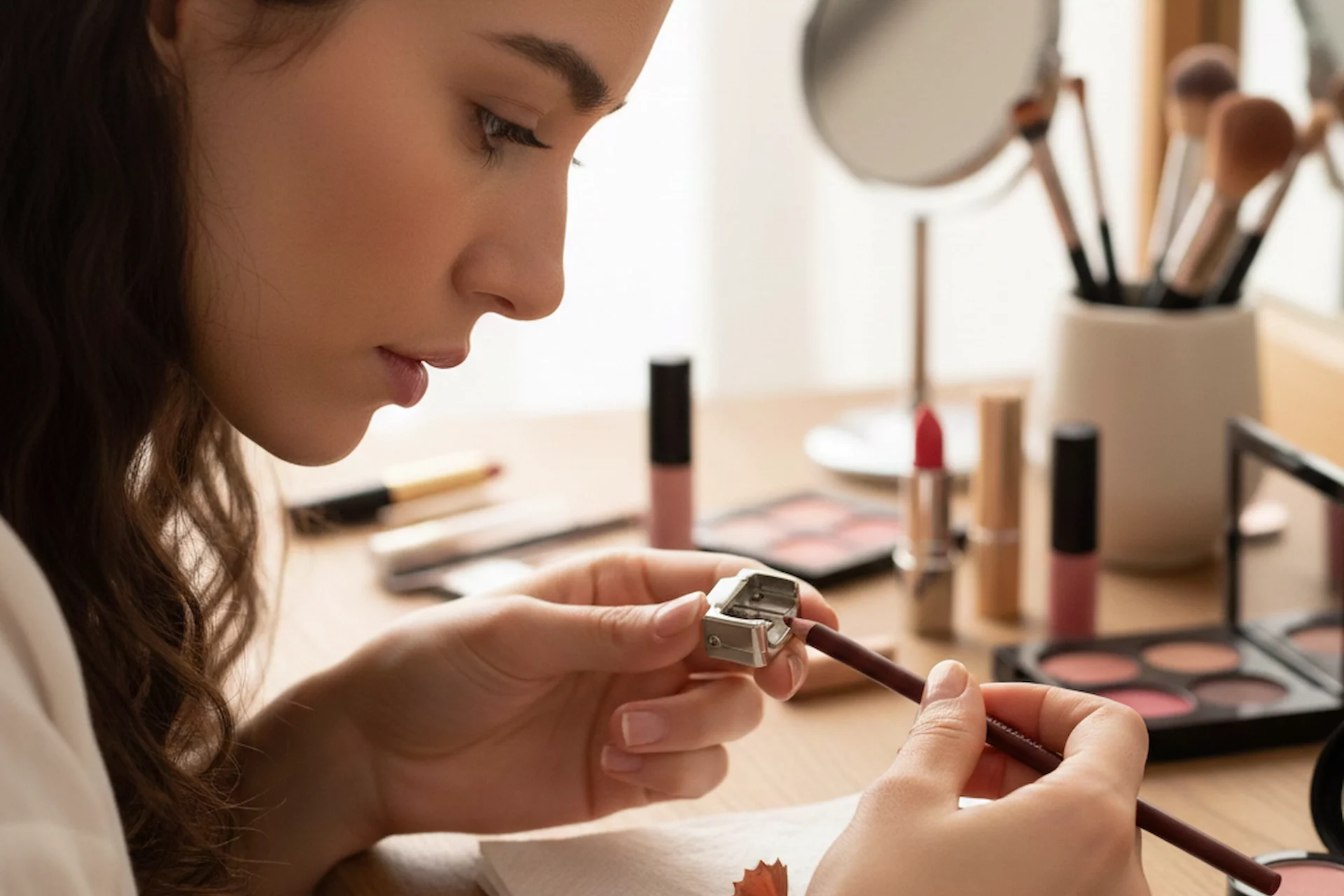
After chilling the liner, you are ready to sharpen. Insert the pencil into the sharpener and turn it gently. Do not apply a lot of pressure. Let the sharp blade do the work. Two or three slow, deliberate turns are usually enough to create a sharp, usable point. Pushing too hard or twisting too aggressively can snap the tip right off, especially with creamy formulas. Your goal is a smooth, even shave. After you achieve your desired point, use a tissue to gently wipe away any tiny shavings from the tip. Finally, remember to clean your sharpener. Use the little pick it came with or a toothpick to clear any residue from the blade.
Sharpening Pitfalls and How to Sidestep Them
Even with the best intentions, sharpening a plastic liner can go wrong. Avoiding a few common mistakes will ensure you get a perfect result every time and extend the life of your products. Many people make these errors without realizing the damage they cause. Knowing what not to do is just as important as knowing what to do. Here are the most frequent blunders and how you can easily avoid them.
-
Using a Dull or Office Sharpener
This is the most common mistake. An office sharpener will destroy your liner. A dull cosmetic sharpener is just as bad. It will mangle the plastic casing and break the product core. You should invest in a high-quality makeup sharpener and replace it once the blade loses its edge. A good sharpener is a small investment that protects your more expensive makeup products.
-
Applying Too Much Force
It is easy to think that more pressure will get the job done faster. With makeup pencils, the opposite is true. Applying too much force will cause the creamy tip to break off inside the sharpener. It can also crack the plastic casing. You should use a light hand and make gentle, smooth turns. Let the blade do the cutting for you. Patience is key to a clean point.
-
Sharpening a Warm Pencil
Creamy lip liners are often soft, especially at room temperature or in a warm environment. Sharpening a soft pencil leads to a smushed, messy tip. The product will get stuck in the blade, and you will waste a lot of it. Always use the freezer trick. Chilling the liner for 10-15 minutes makes the product firm and much easier to sharpen into a precise point.
Distinguishing Sharpenable from Retractable Liners
The confusion around sharpening plastic liners often stems from their similarity to retractable, or twist-up, pencils. Visually, they can look almost identical. Forcing a retractable liner into a sharpener will break the internal mechanism and ruin the product permanently. It is very important to know which type of liner you have before you attempt to sharpen it. Luckily, there is a simple way to tell them apart.
Examine the bottom of the lip liner. A sharpenable plastic pencil will have a sealed, solid end. There is nothing to twist or turn. A retractable liner will have a colored plastic base that you can twist. This twisting action propels the product up. If the bottom of your pencil turns, it is a twist-up liner and should not be sharpened. Some retractable liners even have a tiny, hidden sharpener in that colored base. You can often pull the end cap off to reveal a small, cone-shaped sharpener designed to refine the existing tip into a finer point. This feature is meant for precision, not for advancing more product.
Extending the Life of Your Pencils and Sharpener
Proper care for your makeup and tools ensures they perform well and last longer. For your lip liners, always replace the cap tightly after each use. This prevents the creamy formula from drying out and protects the tip from damage. Storing them in a cool, dry place away from direct sunlight also helps preserve the integrity of the product. An upright position in a makeup cup or organizer is ideal. Proper storage keeps them clean and ready for their next application.
Your sharpener also needs regular maintenance. A clean sharpener works more effectively and is more hygienic. After each use, tap out any shavings. Use a cotton swab dipped in rubbing alcohol to wipe down the blade and the surrounding plastic. This removes waxy buildup and sanitizes the tool, preventing bacteria from transferring to your pencils and then to your lips. A sharpener will not last forever. If you notice it is starting to chew up your pencils or requires more effort to get a clean point, it is time for a replacement. A fresh, sharp blade is a non-negotiable for perfectly pointed pencils.
Conclusion
So, the mystery of the plastic lip liner is solved. You can confidently sharpen these pencils and continue using your favorite products down to the very last bit. The key is recognizing that the plastic casing is a specially designed polymer meant for this exact purpose. By using the right tool, a high-quality cosmetic sharpener with a sharp blade, you can achieve a perfect point every single time. A little preparation, like chilling your liner in the freezer for a few minutes, makes the process even smoother and more effective.
Embracing this simple technique saves you money and reduces product waste. No longer will you have to discard a liner just because its tip is gone. You now have the knowledge to maintain your tools, avoid common mistakes, and keep your entire collection in pristine condition. This small skill makes a big difference in your daily beauty routine, empowering you to get the most value and performance from the products you love. You can now approach every plastic pencil with confidence, ready to give it a new life with a few gentle turns.